Specialty Crop Block Grants and Ranch Diversification in Colorado
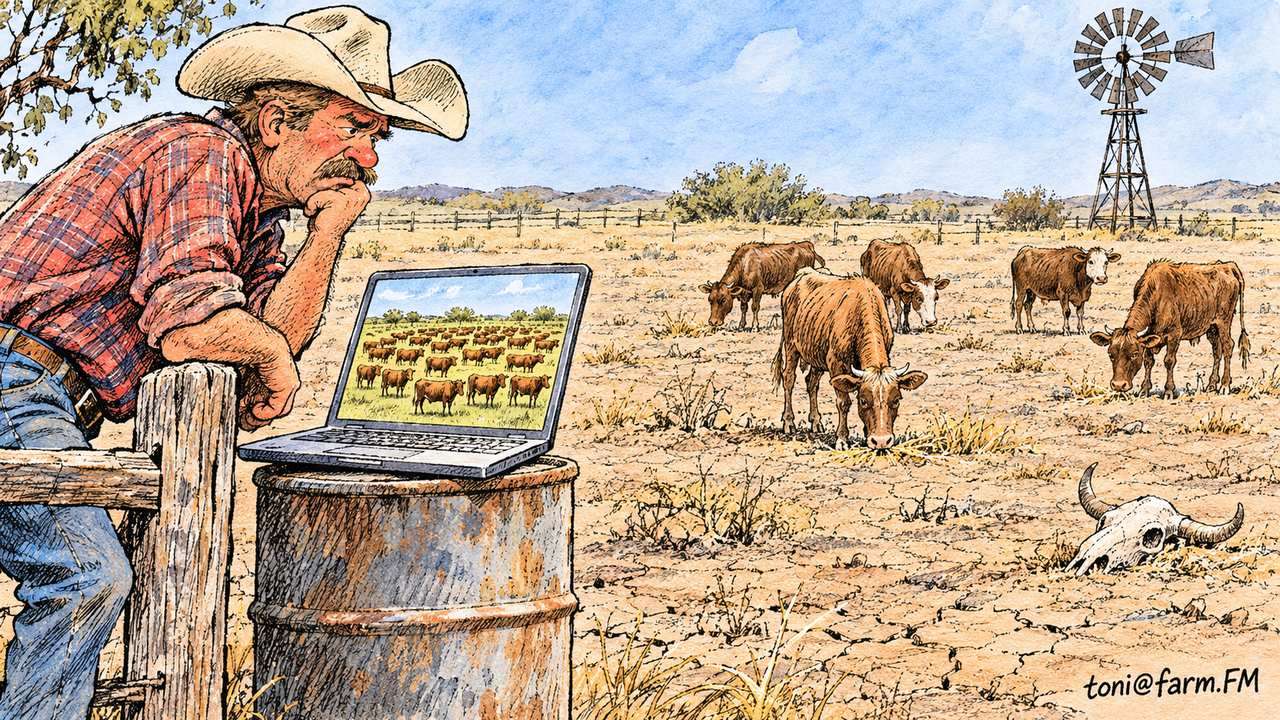
Drought makes a one-product ranch nervous. Adding a second income stream is one answer, and specialty crop grants are one place ranchers look for help getting started.
What a specialty crop grant is, and is not
Specialty crop block grants are generally described as federal funds that go to state agriculture departments, which then award them for projects that help fruits, vegetables, nuts, herbs and similar crops. They are not loans, and they are usually not meant to fund cattle. The Colorado Department of Agriculture and USDA AMS are the places to confirm how the program is run and what is eligible today.
Grants often fund things like marketing, research, food safety, education and production improvements, not personal living expenses or routine operating costs. Read the request for proposals closely before building a plan around one.
Ask also who receives the grant. Many specialty crop programs fund projects run by organizations, groups or institutions, and an individual rancher may need a partner, such as a co-op, a producer association or a university, to apply. Learning that early saves weeks.
Why a cattle rancher might look at diversification
Drought squeezes the grass and the budget at once. A second enterprise, such as hay, vegetables, orchard fruit on the Western Slope, or a greenhouse, can spread risk. It can also add new equipment, labor and marketing needs that a cow-calf operation never faced.
Think carefully before you add anything. A new crop needs water, and water is often the thing a dry year takes away. Check your rights and supply with the Colorado Water Conservation Board and a water attorney before planning acres.
A realistic first step is a small pilot. Try a few acres or one greenhouse for a season, record yields, costs and sales, and see how the work fits around calving and haying. A pilot gives you numbers that a lender or reviewer can actually use.
Grants versus loans in your plan
A grant does not need repayment, but it rarely covers everything and often comes with matching requirements, reporting and deadlines. A loan covers more but must be repaid from the new enterprise's income. Many diversification projects use both. Be wary of counting on a grant that has not been awarded.
Lenders will ask what happens if the grant does not come through. Build a plan that works either way, or at least a smaller version that does. This small farm guide offers more on starting modest.
- Is the project eligible under the program rules?
- Is a match required?
- When are applications due?
- What reporting follows an award?
What a strong application includes
Whether you apply for a grant or a loan, the pieces are similar: a clear problem, a specific project, a budget, a timeline, measurable outcomes and a team that can do the work. Grant reviewers often like projects that benefit more than one farm, such as a shared packing shed or a training day for several producers.
Letters of support from local groups, buyers or extension agents help. CSU Extension can offer technical input, and NRCS may have conservation programs that complement a diversification plan, with its own rules and deadlines.
Plan time for the paperwork, too. Reviewers expect clear budgets and receipts, and many grants pay by reimbursement, meaning you spend first and are repaid later. That affects cash flow, and a short-term line of credit may be needed to carry it.
Drought planning beyond crops
Diversifying is only one drought tool. Others include flexible stocking rates, forage reserves, insurance and a pre-arranged line of credit. The Drought.gov site and the weekly U.S. Drought Monitor help you see conditions, and USDA RMA explains crop and forage insurance options.
Talk to your lender before a dry spell, not during one. A lender who has seen your plan is more flexible than one who gets a surprise call in August. Read about hay and feed budgeting at ranch and beef cattle resources.
Keep a drought log with dates, rainfall, feed purchases and stocking changes. It helps your own decisions and shows a lender that you manage risk with facts.
Next steps and cautions
List your acreage, water, equipment and labor, then sketch one small pilot. Contact the state agriculture agency to ask about open grant rounds, and confirm every detail on official pages. This site is independent, not a lender, and not affiliated with any grant program. Nothing here is financial advice.
Over at farm.FM there is plenty of ranch-life reading, including ranching stories and farm economics coverage. For a lighter angle, try a farm.FM story on ranch diversification.
Sources and further reading
- Colorado Department of Agriculture: state agriculture agency
- USDA AMS: marketing and market news
- Colorado Water Conservation Board: water planning
- CSU Extension: Colorado State extension
- USDA NRCS: conservation programs and technical help
- Drought.gov: national drought information
Ask locally: Ask the Colorado Department of Agriculture and CSU Extension about open grant rounds and whether your idea fits.
General education only, not financial, legal or tax advice, and Colorado Rancher Loan Guide is not a lender. Rates, terms and deadlines change, so confirm current details with the lender or agency.