The 2027 Outlook for Colorado Ranch Lending: Drought, Rates, and Policy
Outlook pieces make predictions. We do not. Instead, here are the three drivers that shape ranch lending in Colorado and where to watch them.
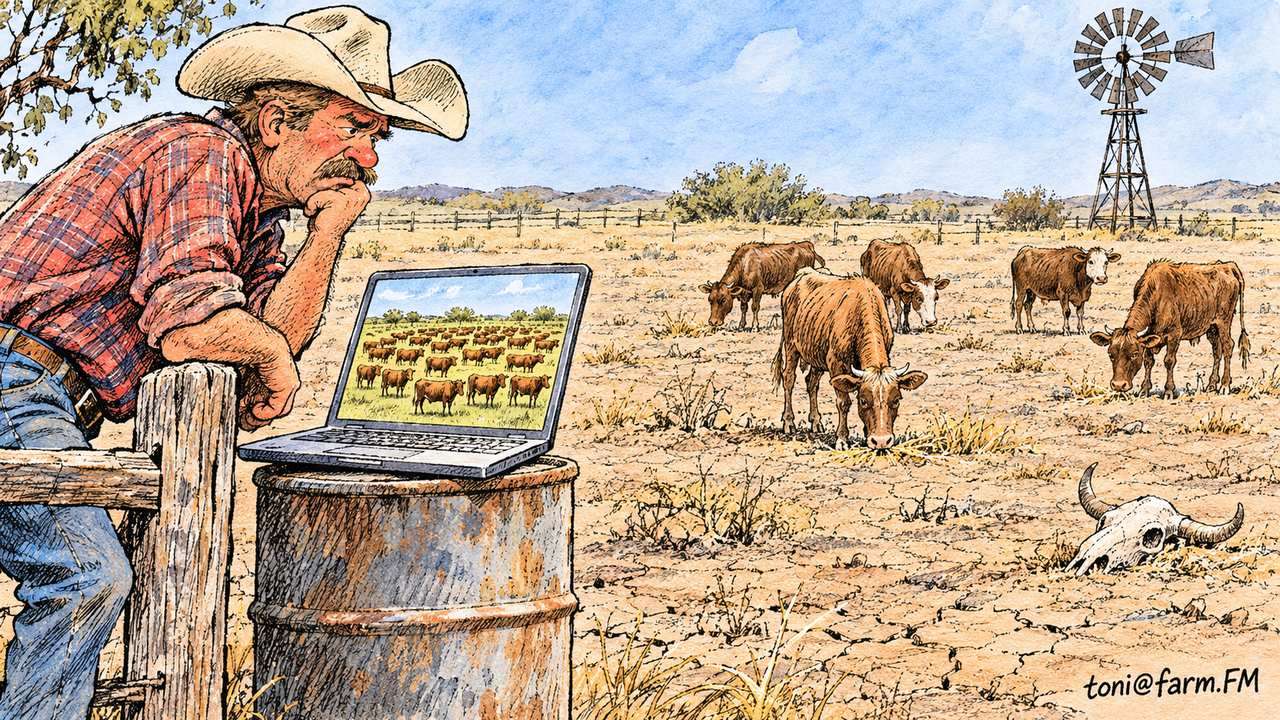
Why we do not give forecasts
No source can reliably predict rates, rainfall or farm policy a year out. Any headline that states what 2027 will bring is a guess or a scenario, and you should read it that way. What you can do is know the drivers and build a plan that survives several outcomes.
Think in ranges. Build a base case, a worse case and a better case for your own numbers, and see how your loans behave in each.
Scenario thinking is a habit lenders share. Ask your lender which scenarios it runs for ranch borrowers and what conditions would cause concern, so your own plan covers the same ground. Treat every outlook you read, including this one, as a starting point for questions, not an answer.
Driver one: drought and forage
Rain and snowpack shape forage, hay prices and herd decisions across Colorado, from the Eastern Plains to the mountain grazing allotments. The U.S. Drought Monitor, Drought.gov and NOAA give current conditions and seasonal outlooks, which are probabilities, not promises.
Lenders watch these too. A dry spell affects cash flow, and a plan on paper makes lender conversations easier.
Snow in the mountains and spring moisture on the plains tell different stories, so watch the data for your own county and elevation. Local Extension offices can help you read the maps. Write your own rainfall and feed records each year, so that next year you have real numbers from your ranch.
Driver two: interest rates and credit conditions
Interest rates are set by many forces, including the Federal Reserve's policy decisions. Rates on ranch loans follow their own pricing, but they respond to the general rate environment. FRED has historical rate data, and the Kansas City Fed agricultural surveys report on regional farm credit conditions.
If you have variable-rate debt, test what a higher rate does to your payment. If you have fixed-rate debt, note when it reprices or matures.
Policy also reaches into how lenders operate, through regulators such as the Farm Credit Administration. You do not need to follow every rule, but knowing the broad direction helps.
Driver three: policy and programs
Farm bills, appropriations and agency rules change what programs exist and how they run. Follow House Agriculture Committee and Senate Agriculture Committee pages, or the congressional bill tracker, for what is moving. Supporters and critics often disagree about program design, and the details matter more than the slogans.
At the state level, check the Colorado Department of Agriculture for programs and announcements. Programs that exist today may change, so avoid building a plan that depends on a single one.
Trade and export conditions affect cattle and crop prices too. The USDA Foreign Agricultural Service and U.S. International Trade Commission publish data, and price swings flow through to ranch income and loan repayment.
Planning that holds up in any year
Keep debt service manageable, hold reserves where you can, and diversify income if that fits your ranch. Keep records tidy and talk to your lender before you need something. Review insurance and risk programs each year, noting sign-up deadlines.
Compare lenders periodically. Ranch beef cattle guidance and farm money resources give planning support, and USDA ERS publishes farm income outlooks that provide context.
Prices matter as much as weather. USDA AMS market news reports cattle and feed prices, which you can use to refresh your budget at intervals. Also keep an eye on input costs such as fuel, fertilizer and hay, since they move the cost side of your budget as much as prices move the revenue side. A short monthly review takes ten minutes and keeps you from being surprised.
What to do this season
Update your balance sheet, build your three scenarios, mark your calendar for key deadlines and schedule a lender check-in. Write down your drought triggers. If you want to read more, farm.FM has agribusiness coverage and ranching stories.
This site is independent, does not lend and gives general education only, not financial advice. For a lighter read on predictions, see a farm.FM story on forecasts and ranchers. Check each official source for current information.
Write down what would make you change course, such as a rate rise of a certain size or a rainfall shortfall by a certain date. Decisions made in advance are less emotional than decisions made in a crisis.
Sources and further reading
- U.S. Drought Monitor: weekly drought maps
- Drought.gov: national drought information
- Federal Reserve: U.S. central bank
- Kansas City Fed Agriculture: farm credit and land value surveys
- Colorado Department of Agriculture: state agriculture agency
- House Agriculture Committee: farm bill and ag policy in the House
Ask locally: Schedule a mid-year check-in with your lender to review your plan against current conditions.
General education only, not financial, legal or tax advice, and Colorado Rancher Loan Guide is not a lender. Rates, terms and deadlines change, so confirm current details with the lender or agency.