Financing a Ranch Expansion Without Overleveraging in a High-Rate Environment
Expansion looks great when cattle prices are strong and loans are easy to find. When rates are high, every added acre has to earn its keep, and a few simple tests can show whether a deal does.
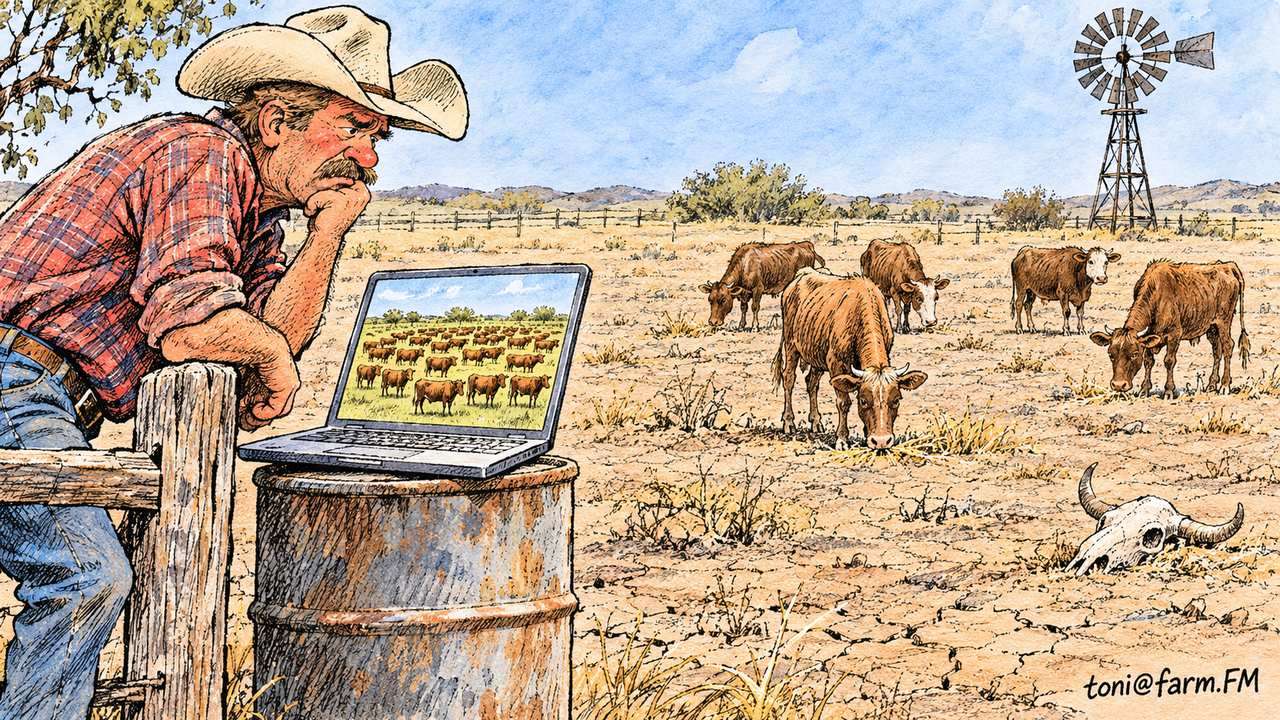
What does overleveraging mean on a ranch?
Overleveraging means carrying more debt than your operation can comfortably repay, especially when conditions turn against you. It shows up as thin cash flow, little cushion for a dry year and payments that depend on everything going right.
There is no single number that fits every ranch. What matters is how your debt compares with your income and your reserves. Ask your lender how they measure it, and run your own numbers before they do.
Many ranchers learn this lesson the hard way. A purchase made in a strong market becomes a heavy load when prices drop. Talking with older ranchers about how they handled past downturns can teach more than any spreadsheet.
How do higher rates change the math?
When interest rates rise, the same loan costs more each year. An expansion that made sense at a lower rate might not work at a higher one, and variable rate loans can add uncertainty. Check what the Federal Reserve is doing at the Federal Reserve and look at rate history at FRED.
Do not try to predict rates. Instead, test your plan at a rate above today's. If the deal still works, you have a margin of safety. If it only works at the best case, treat that as a warning.
- Run payments at a rate above the current quote
- Run income at a cattle price below the current market
- Include a dry-year scenario with higher feed costs
- Check that family living costs are covered
What stress tests should you run?
Start with three scenarios: a normal year, a dry year and a low price year. For each, list income, operating costs, family living and debt payments. If any scenario leaves you with no cash, think about how you would cover it.
Include the cost of added land or cattle, not just the loan payment. More acres can mean more fence, more labor and more equipment. The beef cattle management guide and farm money planning guide help you list those costs.
A simple measure is debt service coverage: how many dollars of income you have for each dollar of debt payment. Ask your lender what level they want to see, then aim above it. The USDA Economic Research Service publishes farm finance information that explains these measures.
What are alternatives to buying more land?
Consider leasing, custom grazing, partnerships or improving productivity on the land you already have. Better grazing management, water development and herd genetics can raise income without adding debt. The USDA NRCS and CSU Extension share ideas for improving land productivity.
Leasing still carries risk, particularly if the landowner can end the lease. Weigh flexibility against stability, and get lease terms in writing.
Custom grazing and shared ownership of equipment are other ways to grow without taking on as much debt. Neighbors may be glad to trade labor or share a trailer. Put each arrangement in writing so expectations are clear when conditions change.
How do you talk to lenders about expansion?
Bring your plan, your stress tests and a clear story about how the new land or cattle will pay for itself. Ask for a loan structure that matches the life of the asset, and ask about payment schedules that follow your income. Compare Farm Credit associations and local banks.
Also ask about flexibility. Can you make extra payments without penalty? What happens if you need to defer a payment? A lender who explains these terms clearly is easier to work with in hard times.
How can you keep growth manageable?
Expand in steps. Buy or lease a piece, prove that it works, then consider the next one. Build a reserve fund, keep debt payments below a level you set in advance and review your numbers every quarter.
For broader economics, visit farm.FM agribusiness coverage, and there is a farm.FM story about ranch debt and growth with a plain view. Confirm your plan with a licensed lender and an accountant.
If a plan only works when cattle prices stay high, rethink it. A good expansion should still make sense in a mediocre year, because mediocre years are far more common than perfect ones. Humility about prices is a financial skill. You can keep reading with more ranch economics on farm.FM.
Sources and further reading
- Federal Reserve: U.S. central bank
- FRED: Federal Reserve economic data
- USDA NRCS: conservation programs and technical help
- CSU Extension: Colorado State extension
- Farm Credit: cooperative agricultural lending network
- USDA Economic Research Service: farm economy data and analysis
Ask locally: Walk through your numbers with a ranch lender in Greeley and an accountant who knows agriculture.
General education only, not financial, legal or tax advice, and Colorado Rancher Loan Guide is not a lender. Rates, terms and deadlines change, so confirm current details with the lender or agency.