The Loan Options for Ranchers Transitioning to Regenerative Practices
Regenerative grazing can mean new fence, water, and a lot of learning. Here is how ranchers think through the money side, and which doors to knock on for help.
What does the transition actually cost?
Regenerative is a broad term, and the bill depends on what you change. For many ranchers the early spending is on cross fencing, water lines or tanks, and monitoring. The savings, if they come, may show up slowly through better forage, lower feed purchases, or healthier soil, so cash flow in the first few years needs careful planning.
Write each practice down as a line item with a cost, a start date, and a measurable result. That list becomes the backbone of your loan request and also keeps the project from drifting.
Be careful not to count benefits you cannot yet measure. Soil improvement is real but slow, and lenders will usually give you credit for forage and feed savings only when you can show a path to them. A conservative case that still works is stronger than an optimistic one that depends on perfect results.
Are there programs that help pay for it?
Cost-share and technical help may be available for conservation work, so start with USDA NRCS and your local field office. Practices that improve grazing, water, and soil are often the kind of work those programs address, but signup periods, ranking, and payment terms change, so confirm the current details directly.
The Colorado Department of Agriculture and CSU Extension also share information on state resources and grazing management. Cost-share usually reimburses you after work is done, which means you may still need short-term financing in the meantime.
Which loan types fit?
Match the loan to the asset. Fencing and water systems last a long time and may suit a term loan. Livestock or seasonal expenses might fit a line of credit. If you are a newer rancher, ask FSA about its direct and guaranteed loan options and any that are aimed at beginning producers, listed at FSA farm loans.
Questions to bring to every lender:
If you lease part of your ground, raise it early. Improvements on leased land only pay off if the lease runs long enough to recover the cost, so a multi-year written lease or a clear understanding with the landowner matters before you spend on fence or water.
- Do you finance conservation improvements, and do you know the cost-share programs?
- Can repayment start after the first grazing season, or follow my sale schedule?
- How do you view improvements on leased land?
- Will you count cost-share payments as expected income?
How do you show a lender the plan makes sense?
Lenders are practical. They want to see that the rancher has a grazing plan, a drought plan, and a way to measure results. A simple stocking and rotation map, with records of forage and animal performance, makes a regenerative plan easier to trust.
Be honest about the learning curve. Mention mentors, grazing schools, or extension contacts you are working with, and show what happens to the budget if the first year is rougher than expected. The basics at this beef cattle resource can help you round out the production side.
What about drought and risk in Colorado?
Colorado ranges swing from the Eastern Plains to mountain pasture, and any plan has to survive a dry year. Check the U.S. Drought Monitor and Drought.gov for conditions, and build a trigger for destocking or buying feed.
Ask about insurance options for forage on the Risk Management Agency site and talk with your agent. A plan that can flex in a bad year usually reads better to a lender than one that assumes ideal weather.
Where do you go for advice before signing?
Talk to ranchers who made a similar change, and ask what they would do differently. Local cattlemen's groups such as the Colorado Cattlemen's Association can point to peer networks. A licensed accountant should review the tax side of improvements, since this site is general education and not a lender. The money basics at this farm finance guide are worth a read before you meet a lender.
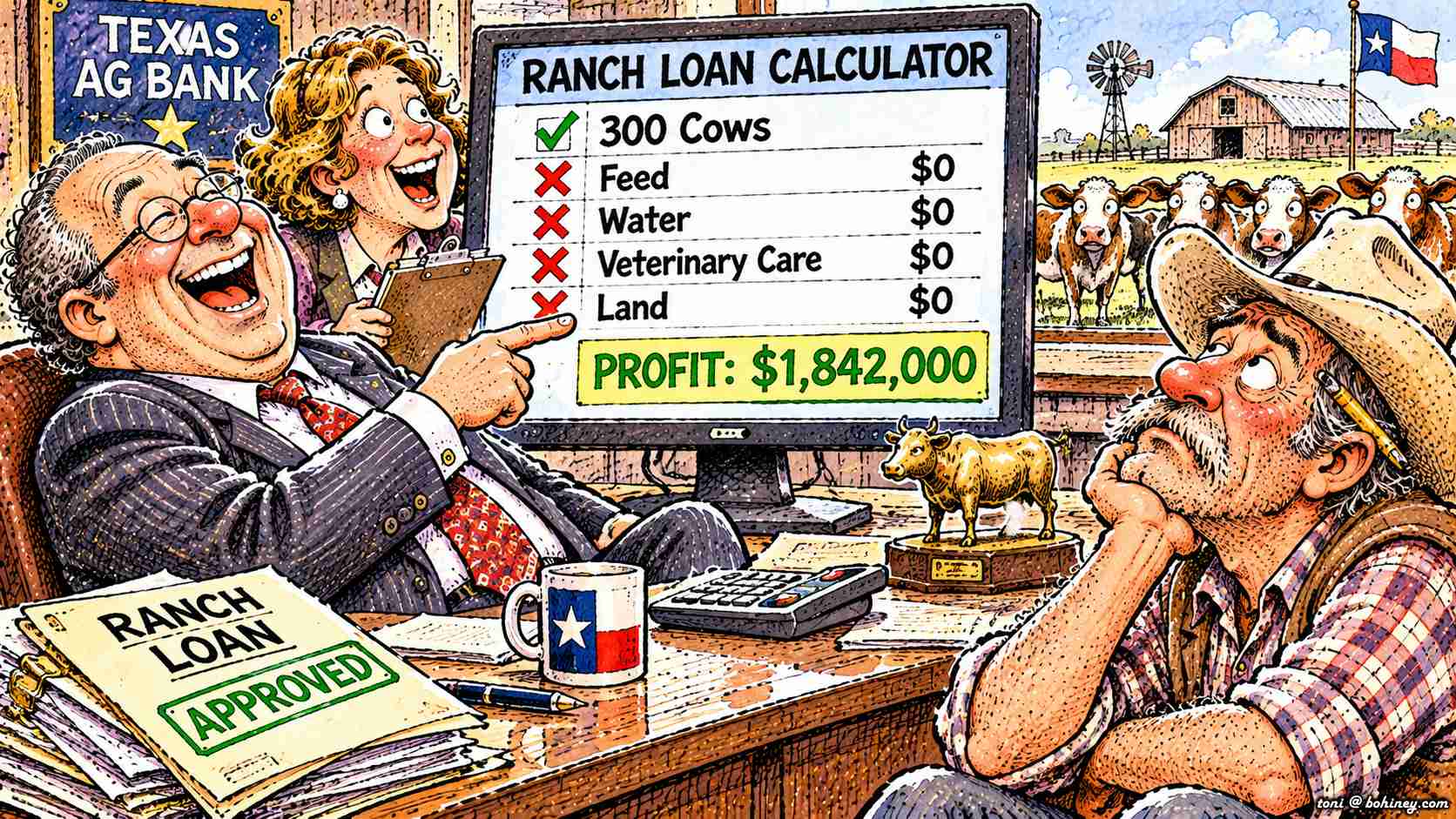
For perspective and a smile along the way, farm.FM has ranching stories at its ranching section and a bit of farm humor at the satire page, plus a farm.FM story on regenerative grazing.
Keep records from day one. Photos, forage measurements, and animal performance data protect you if a program asks for proof, and they help the next lender see the result of your work.
Sources and further reading
- USDA NRCS: conservation programs and technical help
- Colorado Department of Agriculture: state agriculture agency
- CSU Extension: Colorado State extension
- FSA Farm Loans: FSA direct, guaranteed, microloan and emergency loan information
- U.S. Drought Monitor: weekly drought maps
- USDA Risk Management Agency: crop insurance
Ask locally: Ask your local NRCS field office about conservation cost-share and a CSU Extension range or livestock specialist about grazing plans.
General education only, not financial, legal or tax advice, and Colorado Rancher Loan Guide is not a lender. Rates, terms and deadlines change, so confirm current details with the lender or agency.