The SPUR Guaranteed Loan Program: What It Means for Colorado’s Regional Beef Processors
Ranchers have long said the beef supply chain has a bottleneck at the processing plant. Here is how a guaranteed loan program aimed at regional processors could matter on the ranch, and how to verify the facts.
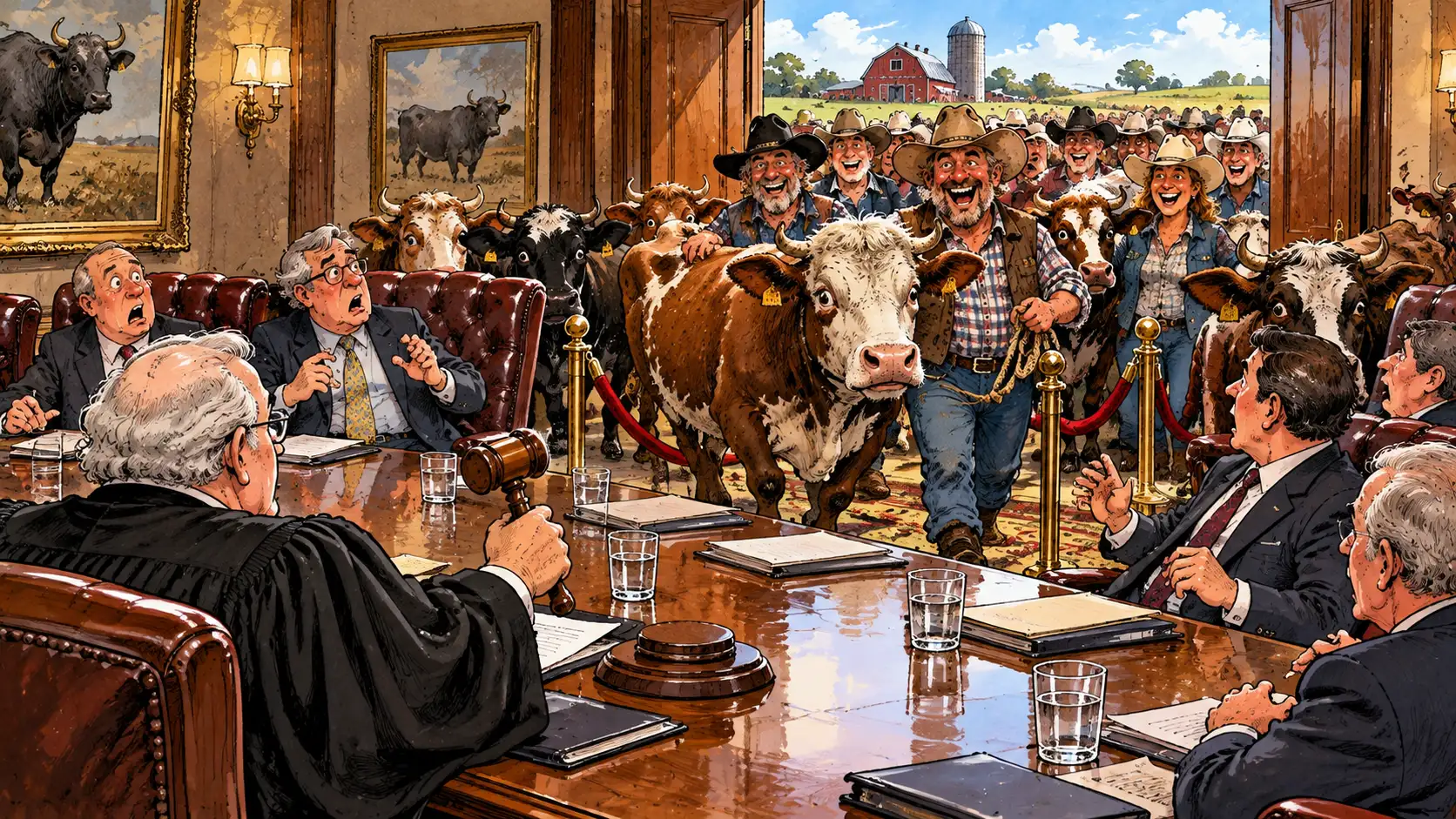
Why processing capacity matters to ranchers
Raising cattle is one job. Getting them processed and into the market is another. When processing capacity is limited, ranchers can wait weeks or months for a slot, and prices paid to producers may be affected by how few buyers are in the area. Regional processors are often described as one answer.
This article uses the program name from the headline, the SPUR guaranteed loan program, and treats its description as reported. The terms, eligibility and funding belong to the agency that runs it, so confirm them at the USDA Rural Development pages or the program's official notice before you rely on anything here.
Keep a sense of scale as well. Colorado has feedlots, large packers and small custom shops, and each serves a different part of the market. A regional plant sits somewhere in the middle, and who it serves depends on its design, location and the cattle available nearby.
How a loan guarantee helps a processor
Building or expanding a plant takes serious capital, and lenders can be wary. A guarantee reduces a lender's risk, which may make it easier for a processor to get financing for equipment, buildings or working capital. The idea mirrors how FSA guaranteed loans work for farms.
A processor still has to repay. A guarantee is not a grant, and plenty of well-intended facilities struggle if they cannot get steady cattle supply, skilled labor or buyers. So a healthy plan matters as much as the financing.
What it could mean for a Colorado rancher
If new or expanded regional capacity appears, ranchers may see more options for custom processing, shorter waits and in some cases a chance to sell direct to consumers or local buyers. For a small cow-calf outfit near Greeley or an operation on the Western Slope, a closer plant can reduce hauling and shrink.
Be careful with hype, though. Capacity takes years to build, and one plant does not fix a whole supply chain. Watch for real announcements, not speculation. The USDA AMS publishes market reports that help you see how cattle and beef markets are moving, and USDA FSIS explains inspection requirements any plant must meet.
Local conditions also play in. Cattle numbers, feed prices, labor availability and water supply all influence whether a plant can run steadily. Ranchers sometimes form groups or cooperatives to supply a facility, and that can improve bargaining power, though it adds management work.
Questions to ask before counting on a new plant
A plant is only useful if it works for your cattle. Ask practical questions before you change your marketing plan.
Also ask who owns it and how stable the business is. An unfamiliar name is not a red flag in itself, but you should know whether payment terms and contracts are clear. Never hand over cattle without understanding when and how you get paid.
- What species, sizes and grades do they handle?
- Is it federally inspected or state inspected?
- How far out are slots booked?
- What are the fees, and what are the payment terms?
- Do they offer cut and wrap for direct sales?
Ways ranchers can position themselves
Quality records, consistent calf programs and clear marketing plans make you a better supplier. Talk with neighbors about whether pooling cattle could make you more useful to a regional processor. The beef cattle production guide covers management practices that affect carcass quality.
You might also explore value-added approaches, such as selling beef shares. That involves its own rules, so check with the Colorado Department of Agriculture on state requirements before you start.
Financing your own side of the chain
If you are thinking about adding facilities or equipment on your own place, you still need a business plan and a loan that fits. Talk with a Farm Credit association, a community bank or the SBA resources for small businesses. The farm money guide lists questions to ask.
This site is an education resource, not a lender, and none of this is financial, legal or tax advice. If you enjoy the ranch business with a smile, farm.FM has an agribusiness section and a satire section, along with a farm.FM story on beef packing and processing.
Sources and further reading
- USDA Rural Development: rural business and community programs
- FSA Farm Loans: FSA direct, guaranteed, microloan and emergency loan information
- USDA AMS: marketing and market news
- USDA FSIS: meat, poultry and egg product safety
- Colorado Department of Agriculture: state agriculture agency
- SBA: small business loans and counseling
Ask locally: Ask the Colorado Department of Agriculture and a local lender what regional processing and financing options exist near Greeley.
General education only, not financial, legal or tax advice, and Colorado Rancher Loan Guide is not a lender. Rates, terms and deadlines change, so confirm current details with the lender or agency.