How the Ranchers First Initiative Is Changing Cattle Financing in 2026
The Ranchers First Initiative is being described as a shift in how cattle operations get financed. Here is how to read that claim without overreacting, and what to check before changing your plans.
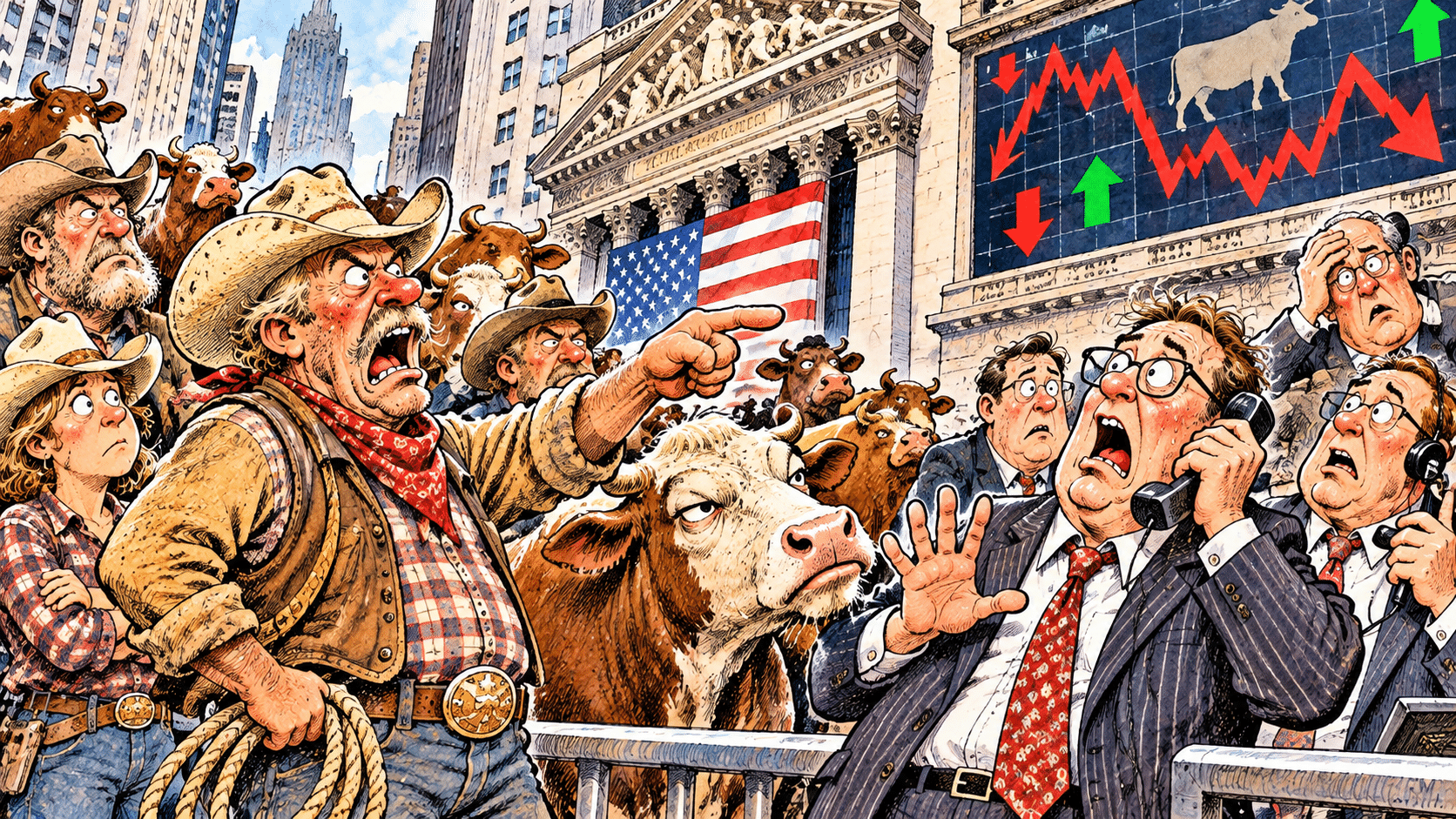
What is the Ranchers First Initiative, as reported?
News coverage links the Ranchers First Initiative to changes in beef cattle credit. This site is an independent guide and has not confirmed program rules, so any numbers you have seen are headline claims. The official place to check is the Farmers.gov loan pages, followed by a call to your local service center.
A good habit with any new program: ask three questions. Who is eligible, what can the money be used for, and when does it stop being available? If the article you read cannot answer all three, keep looking.
It also helps to separate what is new from what is being relabeled. Lending programs often build on existing loan types, so a call to the FSA county office can tell you quickly whether a headline describes a new door or a new sign on an old one.
How does cattle financing usually work?
Most ranch credit falls into buckets: operating money for feed, vet bills and labor, equipment loans, and long-term real estate debt. Cattle themselves are often collateral, so lenders watch prices, herd size and your records closely.
Colorado ranchers borrow from local banks, credit unions, Farm Credit associations and the Farm Service Agency. Each reads the same operation differently, so ask more than one.
Beef prices, interest rates and input costs all move the lender's math. When cattle prices are strong, collateral looks better; when feed costs jump, repayment looks tighter. Your job is to show you have thought about both ends.
- Operating lines for the production cycle
- Term loans for livestock and equipment
- Real estate loans for land and improvements
What could a new initiative change for you?
Possible changes include loan access, guarantee support, or eased paperwork. Whatever the real details are, the effect on your ranch depends on your numbers: repayment ability, existing debt and how much of your income swings with cattle prices.
Think of a hypothetical example only: a cow-calf producer near the Eastern Plains who wants to add replacement females. The question is not whether a program exists but whether the added cash flow covers the payments in a dry year.
Ask whether a program changes the interest rate, the guarantee percentage, the paperwork or only the outreach. Each of those affects you differently, and only the first has an obvious price tag.
What should you gather before you ask a lender?
Pull together tax returns, a balance sheet, a herd inventory, and a simple projected cash flow. Lenders love a clear production history. If you keep calving and sale records, bring them.
A budget template from CSU Extension or this farm finance basics guide helps you test scenarios before a meeting rather than during it.
Do not forget the unglamorous items: insurance, grazing leases, water rights documents, and any existing liens. Missing paperwork is a common reason a good ranch gets a slow answer.
- Three years of tax returns
- Current balance sheet
- Herd and pasture records
- A written plan for the money
How do you protect yourself from hype?
Programs are announced faster than they are written into usable form. Wait for official guidance from USDA, and compare it with what your own lender says. Ask them to put terms in writing.
The CFPB publishes plain-language tips on comparing loan offers, and Colorado's state portal at Colorado.gov can lead you to state financial regulators if something looks wrong.
If a salesperson or a social media post promises guaranteed approval, walk away. Real lenders talk about conditions, and real programs have eligibility rules.
Where does farm.FM fit in?
For the economics and ranch stories behind these headlines, the agribusiness section is a good place to read between lender meetings, and there is a farm.FM piece on cattle prices that pairs well with this topic.
None of this is financial, legal or tax advice. Talk to a licensed lender or accountant, and consider a visit with a beef herd management guide for the production side.
Over at farm.FM, the ranching pages mix serious economics with the humor that gets a rancher through a long winter, and both have their place in a financing decision.
Sources and further reading
- Farmers.gov Loans: USDA farm loan overview and loan assistance tools
- FSA Farm Loans: FSA direct, guaranteed, microloan and emergency loan information
- Farm Credit: cooperative agricultural lending network
- CFPB: consumer finance protection
- USDA: U.S. Department of Agriculture
- CSU Extension: Colorado State extension
Ask locally: A Colorado Farm Credit association loan officer or your local FSA office can explain which products fit a cattle operation.
General education only, not financial, legal or tax advice, and Colorado Rancher Loan Guide is not a lender. Rates, terms and deadlines change, so confirm current details with the lender or agency.