The Down Payment Loan Program for Beginning Ranchers: A Hidden Gem
A down payment is often the biggest wall between a young rancher and a first ranch. This guide explains how down payment loan programs generally work and what to verify.
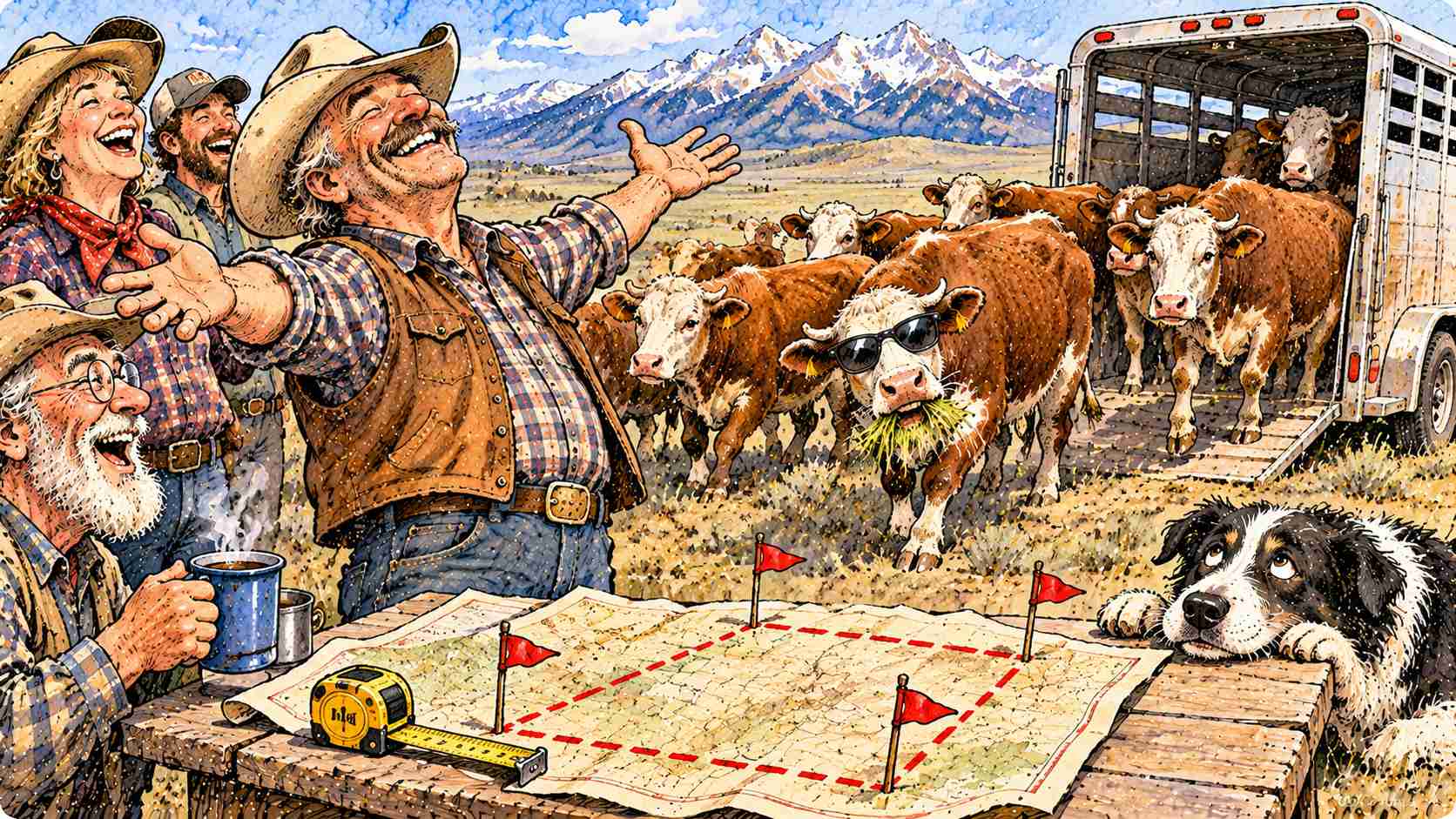
Why is the down payment such a barrier?
Land prices are high, and lenders usually want a share of the purchase paid in cash. A beginning rancher with cattle and equipment but little savings may find the cash gap impossible, even with solid experience.
Down payment programs exist to reduce that wall, by letting a government agency finance part of the purchase on special terms. The Farm Service Agency describes its beginning farmer options at FSA farm loans.
A hypothetical example: a rancher who has built a small herd and saved some cash may still fall short on a ranch purchase. A program that fills part of the gap makes the difference between waiting years and buying now.
Is it really a hidden gem?
Some call it that because fewer people know the program exists. We cannot rate it, and terms change, so treat the label as a headline claim. Check details such as eligibility, the share of the price, the term and the rate on the official page.
In general, programs like this work together with another lender. A commercial lender may provide the main loan, with the agency covering part of the cash needed up front.
Many Colorado families hear about programs by word of mouth. If a neighbor says something about a program, call the county office to verify.
Rules also shift as budgets and policies change. A lender or agency staff member who tells you something today may have updated guidance next season, so ask for dates and written confirmation.
Who might qualify?
Eligibility generally looks at how long you have operated, your experience, your finances, and whether the purchase is within certain limits. The beginning farmer definition is set by the agency, so ask the county office whether you fit.
Remember you do not need to be young. A mid-career rancher switching operations can qualify as a beginner.
Be honest on the application about your experience. Overstating it will come out during underwriting, and it can sink the deal.
Keep your paperwork about prior ownership and operating history handy. Staff may ask about it to confirm that you meet the definition.
- Time in operation
- Relevant experience
- Purchase and financing limits
How does it fit with other lenders?
The commercial lender still has to approve the main loan, so you must pass their tests too. Show the lender a clear plan, strong records and a payment that holds up in a weak year. Compare Farm Credit associations, banks and credit unions.
Ask each lender whether they have worked with the program before. A lender who knows the paperwork can save weeks.
Ask the lender what happens if the program changes while your loan is in process. Funding and rules can shift.
Written terms matter here. Ask how the two loans relate if one is paid late, and what happens at sale or transfer. Cross-default clauses can link the two.
What are the trade-offs?
More financing parts mean more paperwork and more people to satisfy. You may also face conditions, such as reporting or limits on resale. A smaller down payment means a larger total debt, so the payments are bigger.
Run the numbers with a weak calf market and a dry summer. This farm money guide explains budgeting, and CSU Extension runs classes on ranch financial planning.
Consider the Colorado Department of Agriculture for any state level help and resources available to new producers.
A hypothetical example: a smaller down payment lets a buyer keep cash for operating costs, but the larger total debt means payments that must be covered every year. Both sides of that trade deserve a hard look.
What should you do next?
Call the county FSA office and ask about the program for your area. Bring your records and plan, and ask what steps come first. This beef cattle starter guide covers building a herd, since lenders like to see animals as well as dreams.
For a break, read a farm.FM story about down payments, the ranching pages or the farm.FM satire section. Always confirm terms at Farmers.gov loans. This is education, not financial advice.
Also ask about timelines, because land sales move fast, and a slow approval can cost you the property.
Ask the NRCS office about conservation programs too, since good grazing plans make a young operation stronger.
Sources and further reading
- FSA Farm Loans: FSA direct, guaranteed, microloan and emergency loan information
- Farmers.gov Loans: USDA farm loan overview and loan assistance tools
- Farm Credit: cooperative agricultural lending network
- CSU Extension: Colorado State extension
- USDA: U.S. Department of Agriculture
- Colorado Department of Agriculture: state agriculture agency
Ask locally: A county FSA loan officer can tell you whether a down payment program is available and whether you fit the beginning rancher definition.
General education only, not financial, legal or tax advice, and Colorado Rancher Loan Guide is not a lender. Rates, terms and deadlines change, so confirm current details with the lender or agency.