How to Finance a Herd Expansion After a Drought
After a drought forces a herd down, the pull to rebuild fast is strong. Timing, grass, and cash flow should set the pace, not the calendar or the market.
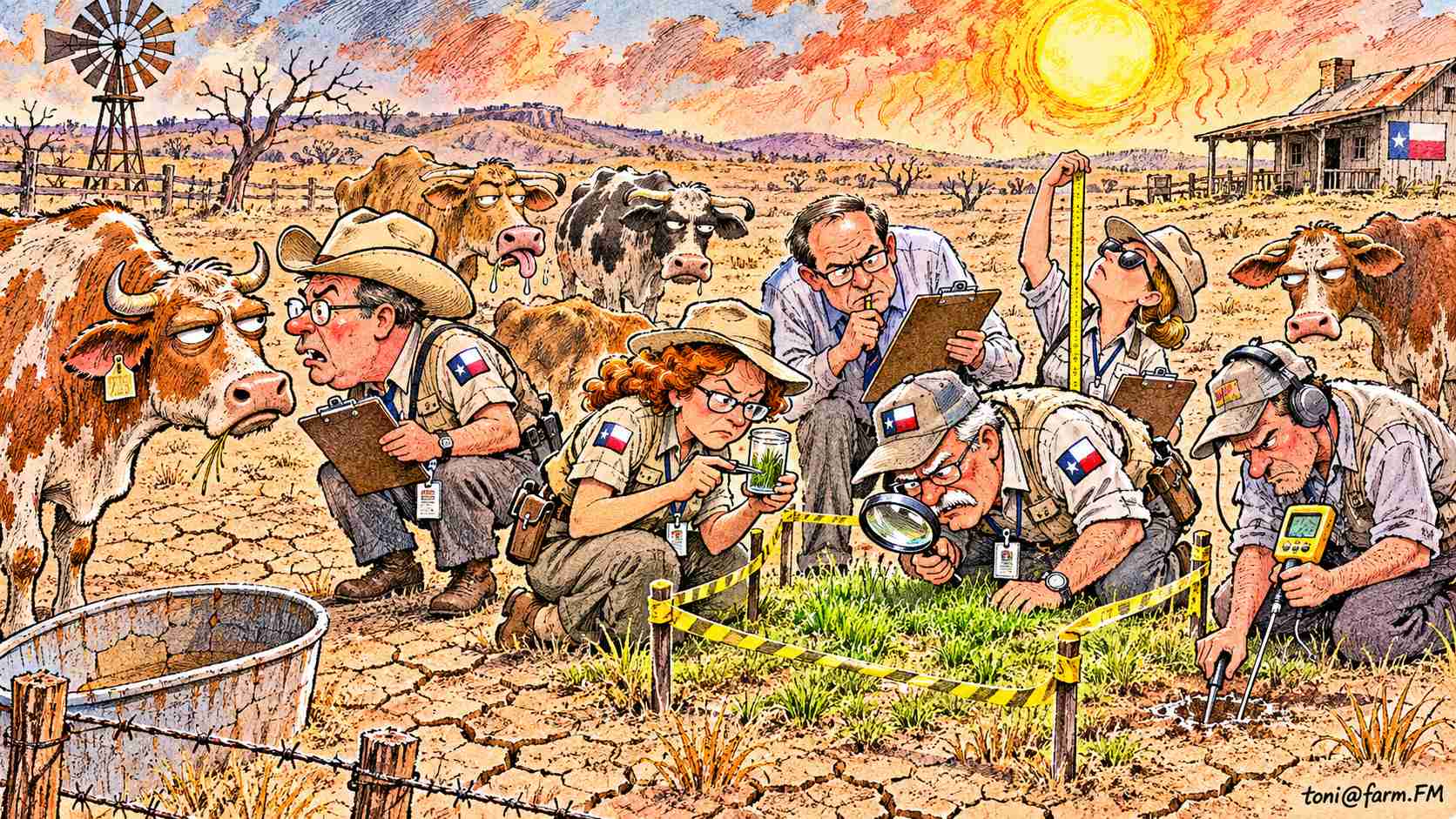
Is the range ready for more cattle?
The first question is grass, not money. Rangeland takes time to recover, and restocking early can set the pasture back and the ranch with it. Check conditions on the U.S. Drought Monitor and Drought.gov, and walk your pastures with a range specialist.
CSU Extension and NRCS can help estimate carrying capacity and recovery timelines. Write down your stocking plan by pasture. A lender will want to see it, and it will keep you honest when prices tempt you to buy more.
How do lenders look at rebuilding?
Lenders want to know the herd will pay for itself. Cattle bought with borrowed money produce income only after calving and weaning, so the first year or two can be tight. Expect questions about the water supply, feed supply, and how many head the ranch can carry in a dry year.
Bring your drought history, your pre-drought production records, and a rebuild budget. Show how you will cover debt service while the new cattle are growing into production.
Another point lenders weigh is whether the ranch has already used up its cushion. If feed bills during the drought were paid with the operating line and it was never fully repaid, the rebuild may need a combined plan that cleans up old debt too.
What financing might fit?
Options include an operating line, a livestock term loan, or FSA programs for qualifying operations. Check current disaster and emergency loan details at FSA farm loans and Farmers.gov loans, and ask your lender what it offers after drought losses.
Some programs may help with livestock losses or forage, so look at the Farm Service Agency to see what applies. Eligibility and timing rules change, so confirm each one directly with the office.
Be honest about insurance and tax timing as well. Livestock purchases and sales can have tax consequences, and a licensed tax adviser can help you plan the rebuild so a good year does not turn into a surprise bill. Keep your purchase invoices, brand inspection records, and health papers in one folder.
- Operating line to cover purchase and feed
- Livestock term loan with a repayment schedule fitting calving
- FSA programs where you qualify
- Retained heifers instead of purchased ones, to cut cash outlay
Should you buy, retain, or lease?
Buying replacement females takes cash, and prices can be high after a widespread drought. Keeping back your own heifers costs less up front but delays the calf check. Some ranchers lease cows, run stockers, or share cattle with a neighbor while grass recovers.
Each path has a different cash flow and risk. Model them side by side in a spreadsheet. The production-side basics at this beef cattle guide help with timing and herd health.
How do you protect against the next drought?
Build a drought plan before you rebuild. Decide the triggers for reducing numbers, buying feed, or leasing grass. Keep a feed reserve if you can, and look at insurance options on the USDA Risk Management Agency site.
Water development, rotational grazing, and a flexible herd mix, such as a portion of stockers, can reduce exposure. Talk with a local agent about what fits your country, from the Eastern Plains to the Western Slope.
If your ranch is in the Front Range or Eastern Plains, ask neighbors what the grass really looked like last year before you set numbers. Local knowledge fills in what a drought map cannot show.
What helps you decide how fast to go?
Start slowly. Rebuilding in stages lets you test the grass and the budget. Many ranchers find that adding a portion of the herd each year feels safer than a single large purchase.
Use market information to avoid buying at the peak, and read USDA AMS market news for cattle reports. Talk to your accountant before major purchases, since tax rules about livestock sales and replacement can matter. The farm money resource has background on budgeting after a bad year.
Where do you find a second opinion?
A neighbor who rebuilt after a drought can tell you what worked. Colorado cattlemen's groups such as the Colorado Cattlemen's Association can connect you. This site is education only and not a lender.
For a break from the numbers, farm.FM has ranching stories and farm news and satire, along with a farm.FM piece on rebuilding a herd.
Sources and further reading
- U.S. Drought Monitor: weekly drought maps
- Drought.gov: national drought information
- USDA NRCS: conservation programs and technical help
- FSA Farm Loans: FSA direct, guaranteed, microloan and emergency loan information
- USDA Risk Management Agency: crop insurance
- USDA AMS: marketing and market news
Ask locally: Ask a CSU Extension range specialist about carrying capacity and your lender about drought-recovery options.
General education only, not financial, legal or tax advice, and Colorado Rancher Loan Guide is not a lender. Rates, terms and deadlines change, so confirm current details with the lender or agency.