Colorado Lenders and State Programs
Golden Belt Bank: Livestock Loans for Western Kansas and Eastern Colorado Ranchers
The Colorado-Kansas line cuts through some of the best cattle country in the Plains. Here is how livestock lending works for ranchers who straddle it, and what to ask any bank, including the one named in the headline.
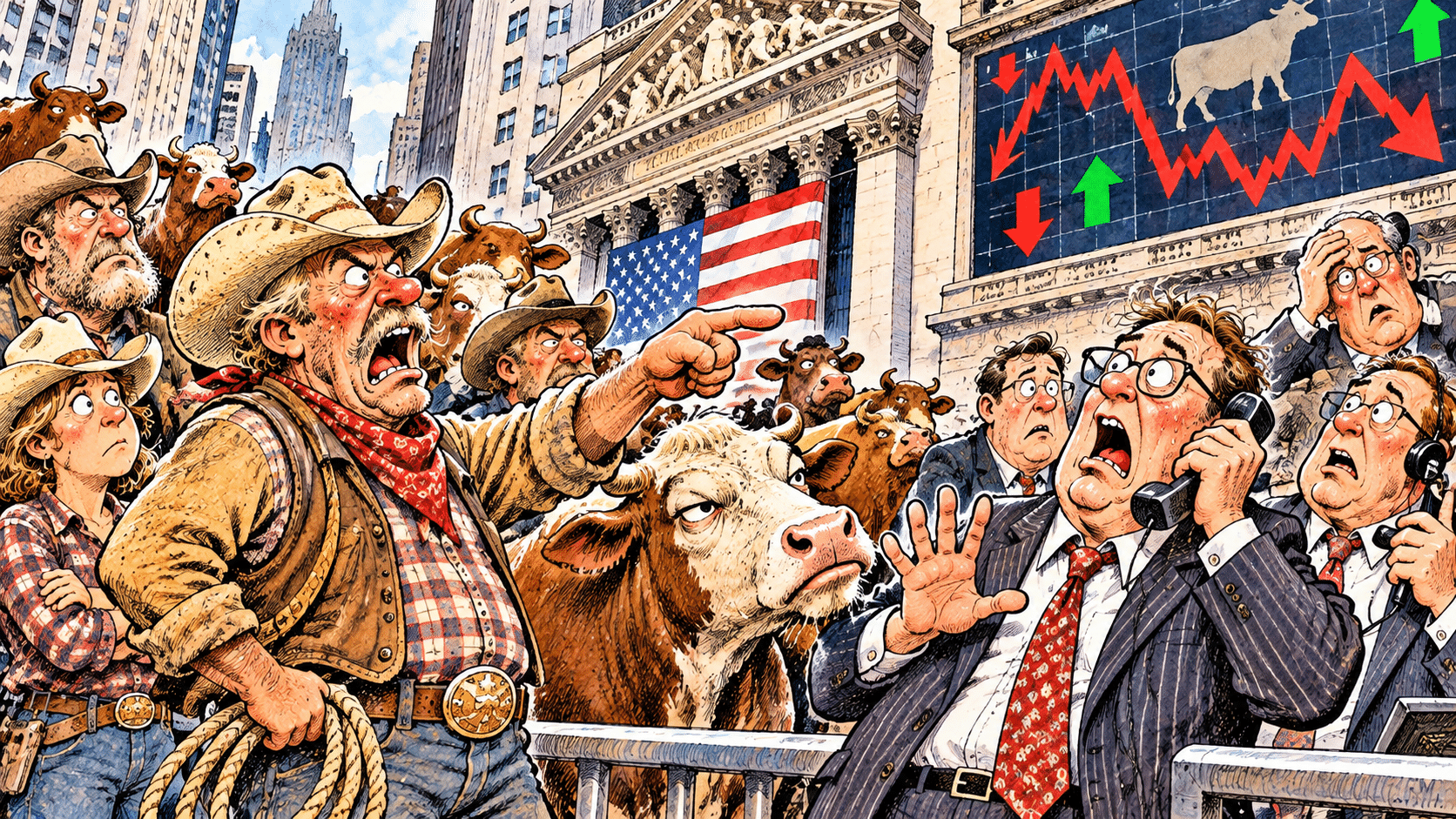
Cattle country without a border
Eastern Colorado and western Kansas share grass, weather and markets. Many ranchers lease land or run cattle on both sides of the line. A bank that serves both states can help, but crossing a state line also raises paperwork questions.
The headline mentions Golden Belt Bank. This site is independent and has no affiliation with it or any other bank. For specifics on its loans, contact it directly.
Cross-border ranching is common on the Plains, where a lease across the state line may be the best grass for miles. Lenders in border areas tend to understand this, but their legal departments may need extra time. Allow for that when you plan a purchase or a restructure.
How livestock loans work
A livestock loan finances cattle purchases, feed or operating costs and is often secured by the animals. Lenders may use an inventory, brand records and periodic reports. Terms depend on the purpose: breeding stock may carry a longer loan, and feeder cattle a shorter one tied to the sale date.
Farm Credit, community banks and FSA all make livestock loans. Compare how each handles collateral and renewals.
Feed deserves its own plan. If you finance feed, make sure the payment schedule lines up with when you sell cattle, and that you have enough cushion if a sale is delayed. Some ranchers use a revolving line of credit for feed and repay as animals are sold. Ask how the lender handles that.
Two states, extra questions
Operating in two states means different rules on liens, brand inspection and sometimes taxes. Ask the lender how it perfects its interest in cattle that move across the line. Ask where the cattle are located for legal purposes and what happens at sale.
Animal movement rules also matter. USDA APHIS covers federal animal health requirements, and your Colorado Department of Agriculture lists state rules. Check both states' requirements before moving cattle.
Do not forget insurance and health. Cattle can get sick, and a disease outbreak can change a plan in a day. Talk to your veterinarian about herd health and to your lender about how losses are handled. The Colorado Farm Bureau and the state cattle groups track issues that affect producers across the region.
- Where is the collateral located for lien purposes?
- How are brand and inspection records handled?
- Do state tax rules differ for my sales?
- Which state's law governs the loan?
- What documents does the lender need for moved cattle?
Market and feed risks
Plains ranchers face weather swings and market swings. A smart loan plan stress-tests both. Run a case with lower cattle prices and higher feed costs and see whether the payment still works.
The USDA AMS market news reports help you track cattle prices, and the Kansas City Fed agricultural survey offers regional credit conditions. Our beef cattle market guide explains market cycles.
Remember that an accountant who works with cattle can help you understand the tax picture when sales cross a state line. Timing sales, handling deferred payments and tracking basis in purchased animals can all affect your return. A little planning can save real money.
Records lenders like
Keep inventories current, record births, deaths and sales and save sale receipts. A tidy record set builds trust. If you use ear tags or electronic ID, keep the data backed up.
Insurance matters. Ask what coverage the lender expects on cattle, equipment and land. Also confirm the lender's rules on selling collateral.
If you are tempted to rely on a single lender for everything, think again. Spreading credit across more than one source can reduce risk, as long as you track each loan's collateral and payment schedule.
What to do next
Compare at least two lenders. Ask for written terms and run your numbers with an accountant who understands multi-state taxes. The farm money guide lists common questions.
This site is an education resource, not a lender, and none of this is financial, legal or tax advice. For lighter reading, farm.FM has a ranching section and a rodeo section, plus a farm.FM story from Plains cattle country.
Sources and further reading
- Farm Credit: cooperative agricultural lending network
- FSA Farm Loans: FSA direct, guaranteed, microloan and emergency loan information
- USDA APHIS: animal and plant health
- Colorado Department of Agriculture: state agriculture agency
- USDA AMS: marketing and market news
- Kansas City Fed Agriculture: farm credit and land value surveys
Ask locally: Ask the lender and an accountant who handles multi-state ranches how liens and taxes work for your cattle.
General education only, not financial, legal or tax advice, and Colorado Rancher Loan Guide is not a lender. Rates, terms and deadlines change, so confirm current details with the lender or agency.
Related articles
- Bridge Loans for Large Colorado Ranch Acquisitions: The Silver Mountain Ranch Case
- Rural Real Estate Loans for Colorado Ranches: Long-Term Financing Options
- Equipment Financing for Colorado Ranchers: AgDirect, Leases, and Local Lenders
- Joint Financing for Colorado Ranch Ownership: FSA and Commercial Lender Partnerships