How to Finance a Dairy Operation: A Specialized Guide
Dairy is one of the most cash-hungry corners of agriculture, and lenders treat it that way. Here is how a dairy loan request is built, what a lender will ask for, and where Colorado producers can get help before applying.
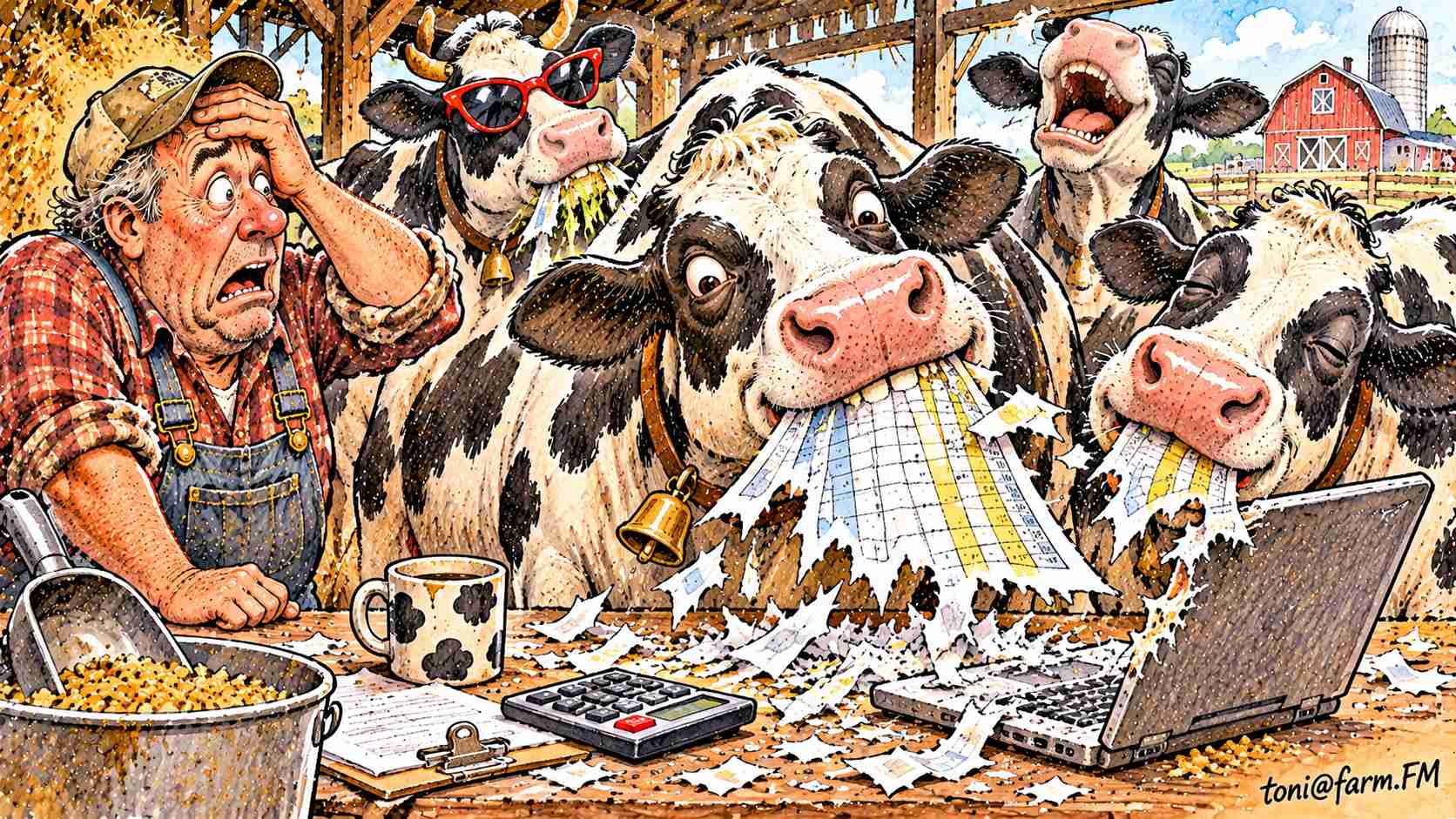
Why does dairy financing look different from ranch lending?
A cow-calf outfit sells a calf crop once a year. A dairy sells milk every few days, pays feed bills weekly and runs expensive equipment that never gets a day off. That steady cash flow can be a strength, but it also means a lender will study your milk check, your feed costs and your debt payments far more closely than they would on a grass-based ranch.
Northern Colorado, with Greeley at its center, has a long dairy tradition, and local lenders there know the business. Still, every lender sets its own appetite and terms. This site is an education resource, not a lender, so treat everything here as a way to prepare better questions rather than a quote or an approval.
What will a lender want to see in a dairy loan package?
Expect a request for several years of tax returns, a current balance sheet, a cash flow projection and a clear statement of what the money is for. Dairy lenders usually add herd records, milk marketing contracts or cooperative statements, and a feed purchase plan. The more your numbers tie together, the less time a loan officer spends guessing.
Gather your paperwork before the first meeting. The basics at this farm money guide walk through balance sheets and cash flow in plain language, and the Farmers.gov loan tools can help you see which federal loan types might apply to your situation.
- Recent tax returns and a current balance sheet
- Milk marketing agreement or cooperative statements
- Herd and production records
- Feed supply plan and a written repayment plan
How do lenders match loan types to dairy costs?
Lenders tend to match the loan to the asset. Land and parlor buildings fit longer terms, while cows, equipment and feed fit shorter ones. Operating money is often a revolving line of credit that you draw on and pay down as milk checks arrive. Mixing those up, such as using a short note to buy a long-lived barn, squeezes cash flow for years.
Ask each lender how they would structure the request, and compare the answers side by side. Rates and terms change, so check current numbers directly with each lender rather than relying on anything printed here. Ask for the proposal in writing so you can compare real paper, not memories of a phone call.
How do margin protection and price reports fit in?
Milk prices move, and a lender will want to know you have thought about the bad months. Federal programs such as Dairy Margin Coverage exist for margin protection, and weekly reports from USDA Dairy Market News show where prices have been heading. Check each program's current rules and sign-up windows at the official source.
Showing a lender that you track your margin, not just your gross milk check, is one of the easiest ways to build confidence. If you want a closer look at the operating side of the barn, the dairy herd care guide covers herd health costs that belong in your projection.
Where can Colorado dairy producers compare lenders?
Start local. Community banks, credit unions, Farm Credit associations and the Farm Service Agency each work differently. FSA farm loan programs can fill gaps for borrowers who do not yet fit a commercial lender, and the Farm Credit network focuses on agriculture. Ask for written term sheets so you can line them up.
The Colorado Department of Agriculture is a useful starting point for state programs and industry contacts, and CSU Extension offers farm business education along the Front Range. A call to either can save you weeks of guessing about who does what.
What questions should you ask before signing?
Ask how the lender handles a year of low milk prices, whether the loan has prepayment penalties, what covenants apply and how often you will need to report. Ask who you will call when something breaks at 5 a.m. and the parts bill lands on the same week as the feed bill.
Over at farm.FM there is a dairy section worth a coffee break, including dairy stories and satire and farm economics pieces, plus a story on milk price swings for context. Before you commit, talk to a licensed financial or legal professional about your own situation.
- Prepayment penalties and fees
- Collateral and insurance requirements
- Reporting schedule and covenants
- What happens if a payment is missed
Sources and further reading
- FSA Farm Loans: FSA direct, guaranteed, microloan and emergency loan information
- Farmers.gov Loans: USDA farm loan overview and loan assistance tools
- Dairy Margin Coverage: FSA Dairy Margin Coverage program
- USDA Dairy Market News: weekly dairy price reports
- Colorado Department of Agriculture: state agriculture agency
- CSU Extension: Colorado State extension
Ask locally: Ask a loan officer at a local agricultural lender, or your CSU Extension farm management contact along the Front Range.
General education only, not financial, legal or tax advice, and Colorado Rancher Loan Guide is not a lender. Rates, terms and deadlines change, so confirm current details with the lender or agency.